
Licence to Alter: The Item That Sets Your Date
The Licence to Alter, not the build, is usually the critical path on a London fit-out. What section 19(2) gives you, what it does not, and who pays.
- 4.8★ Google · 16 reviews
- £500 per week if we finish late
- £17m insurance cover · £5m public liability
- 12-month warranty on second-fix fittings · HomePro registered
- £550 survey credited in full
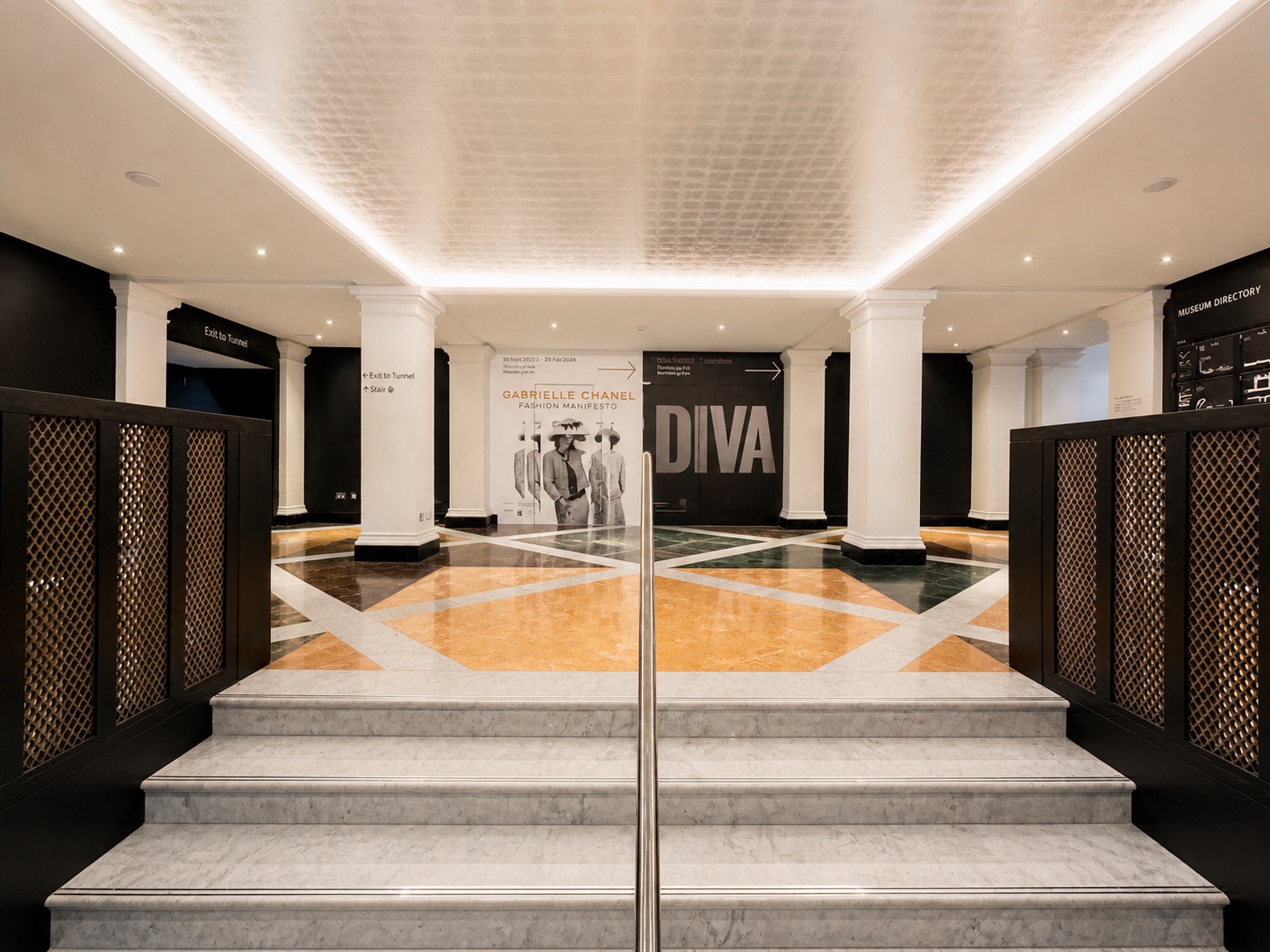
From our V&A Museum project — South Kensington, SW7
On a London fit-out the Licence to Alter is usually the longest single item on the programme — commonly six to twelve weeks, and often longer than the construction. It is also the point at which a lease decides how much say you actually have: section 19(2) of the Landlord and Tenant Act 1927 protects you where the covenant is qualified and the work is an improvement, and does nothing at all where the covenant is absolute.
Most fit-out programmes are built backwards from a move-in date and forwards from a construction estimate, with the consent treated as paperwork happening in parallel. It is not. It depends on people you do not employ, working to no deadline of yours.
Our commercial fit-out page sets out how we work on delivery, the fit-out cost guide names this as one of four costs sitting outside a per-square-foot rate, and the dilapidations guide covers what the same document does to you at the other end of the lease.
What the law actually gives you
| What | The requirement | Source |
|---|---|---|
| Qualified covenant | Where a lease prohibits improvements without consent, the covenant is deemed subject to a proviso that consent may not be unreasonably withheld. | Landlord and Tenant Act 1927, s.19(2) |
| But only for improvements | The protection applies where the alteration is an improvement — judged from the tenant's point of view, as something increasing the value or utility of the premises to the tenant. | Landlord and Tenant Act 1927, s.19(2) |
| Absolute covenant | Where the lease prohibits the alteration outright rather than subject to consent, s.19(2) does not apply. The landlord may refuse for any reason, or none. | Landlord and Tenant Act 1927, s.19(2) |
| The landlord may still charge | Consent may lawfully be conditioned on payment of a reasonable sum for damage to or diminution in the value of the premises, and on reimbursement of legal or other expenses properly incurred in connection with the consent. | Landlord and Tenant Act 1927, s.19(2) |
| Who has to prove what | Where consent is withheld, the burden is on the TENANT to show that it was withheld unreasonably — not on the landlord to justify the refusal. | Landlord and Tenant Act 1927, s.19(2), as applied |
Approved Documents are statutory guidance to the Building Regulations 2010 for England. Compliance is judged against the Requirements in Schedule 1; the Approved Document shows one way of meeting them. Your building control body has the final word on your specific building.
Three consequences follow, and they are not the ones tenants expect.
Read which covenant you have before you assume you have a right. Qualified and absolute look similar on the page and are worlds apart in effect. One gives you a statutory proviso; the other gives you nothing but a negotiation.
The burden sits on you. A landlord who withholds consent does not have to prove they were reasonable. You have to prove they were not — which is a litigation posture, not a conversation, and it is why almost every dispute here settles rather than runs.
The fees are lawful. The same subsection that protects you expressly permits the landlord to recover reasonable expenses properly incurred. So paying their surveyor and their solicitor is normal. Reasonable and properly incurred are real qualifiers, though, and an itemised account is a fair thing to ask for.
The sentence worth rememberingSection 19(2) is a gate, not a guarantee. It opens only where the covenant is qualified and the work is an improvement — and even then it opens onto a negotiation in which you carry the burden of proof.
Why it lands on the critical path
Nothing in the consent process runs to your programme. The landlord's surveyor reviews the drawings when they review them. Their solicitor drafts when they draft. If there is a superior landlord, or a lender with a charge over the building, their consent is needed too — and each one is a fresh queue.
Six to twelve weeks is common. On a suite where the construction itself is six to eight weeks, that means the paperwork is the job and the build is the short part. A programme that shows consent running in parallel with design, rather than gating the start, is a programme that has not met a landlord's surveyor.
What to do about it
- 01Start it the day heads of terms are agreed. Not when the drawings are finished. The application needs drawings and a specification, but the parties, the solicitors and the superior landlord's position can all be established before a designer has drawn anything.
- 02Read the alterations covenant first, and know which kind it is. Qualified means s.19(2) helps you. Absolute means it does not. This single distinction decides whether you are making a request or negotiating a concession, and it takes one reading to settle.
- 03Establish who else has to consent. A superior landlord, a lender, a management company. Each is a separate queue, and each is usually discovered late by the person who did not ask early.
- 04Get the reinstatement position written into the licence. The licence is where it is recorded whether these alterations must come out at the end. That sentence is worth more than anything else in the document, and it is far easier to negotiate now than to argue about at lease end.
- 05Ask for the fees to be itemised and capped. Reasonable expenses properly incurred is the statutory test. An undertaking to pay an open-ended amount is not the same thing, and a cap is an ordinary commercial request.
- 06Annex a schedule of condition while you are at it. You are already having a surveyor look at the space. A dated photographic record of how you found it, attached alongside, is the cheapest protection against the dilapidations claim that arrives years later.
Why a builder writes this
Because the date you are promised depends on it, and we are the ones who have to hit that date.
2VP is the builder, not a marketplace: one contract, one named project lead, and no introducer fee stacked on the build cost. When a programme slips because a consent has not landed, there is nobody else to point at — which is why we would rather the application started early than the drawings looked finished.
We work in buildings that stay open and under landlords who are watching, and the document that makes that possible is agreed before anyone lifts a tool.
Straight answers
The home you actually want, finished on the date in the contract — and you watch every day of it happen from your phone.
You answer 3 questions. We do the drawings, planning, party wall, trades and snagging.
- 10% to mobilise, then weekly against work already done — with 5% held past handover: 2.5% released at practical completion and 2.5% at the end of the 12-month defects period
- £550 survey fee credited in full against your contract
- Every variation priced and signed before a penny is spent
No email needed to see your range. Quotes hold for 21 days, then materials re-price.
We are not the cheapest. If price is the only factor, we may not be the right fit — and that is fine.
Keep reading
- Dilapidations: What You Agree to Hand BackA schedule of dilapidations is a claim, not a bill. The statutory ceiling on it, the proviso that can wipe it out, and the four things to settle before you sign.
- Bathroom Renovation Cost in London 2026: Every LineA full strip-out and re-tile of a 4.08 m² London bathroom is £11,387 of build work before you choose a tap. Every line, net of VAT, with the clause behind each rule.
- How to Avoid a Bad Builder: The Checks That Take One AfternoonMost bad builds are decided before anyone lifts a tool. The 4 checks that filter out a bad builder in an afternoon, and the paperwork that settles the rest.
- Office Fit Out Cost in London 2026: £ Per Sq FtLondon Cat B office fit-out runs £65–£175 per sq ft net in 2026. What sits inside the rate, the figures that shape your layout, and what the rate leaves out.